Tankless water heaters are popular in Glendora's newer and remodeled homes, especially in the North Glendora custom estates and other homes with high simultaneous hot water demand. They deliver endless hot water, take up far less space than a tank, and last longer than a tank heater when maintained. That last phrase is the catch in Glendora: when maintained. Our hard water means a tankless unit needs regular descaling to keep performing, and skipping it shortens the heater's life and voids many manufacturer warranties.
This post explains why tankless heaters scale up in Glendora's water, how often to descale, the warning signs of scale buildup, and how to think about whether tankless is the right choice for your home.
Why tankless heaters scale up in Glendora
A tankless water heater works by running water through a heat exchanger, a compact unit with narrow internal passages, and heating it on demand as it passes through. There is no storage tank. Those narrow heat-exchanger passages are exactly where Glendora's hard water causes trouble. When the 150 to 220 ppm water is heated, the calcium and magnesium precipitate as scale, and in the tight confines of the heat exchanger, that scale builds up quickly on the passage walls.
As scale accumulates, it restricts flow through the heat exchanger and insulates the water from the heating element, forcing the unit to work harder to deliver the same hot water. Left unchecked, the scale can damage the heat exchanger, the most expensive component in the unit. This is why tankless manufacturers specify descaling intervals, and why those intervals come up faster in a hard-water area like Glendora than in a soft-water region.
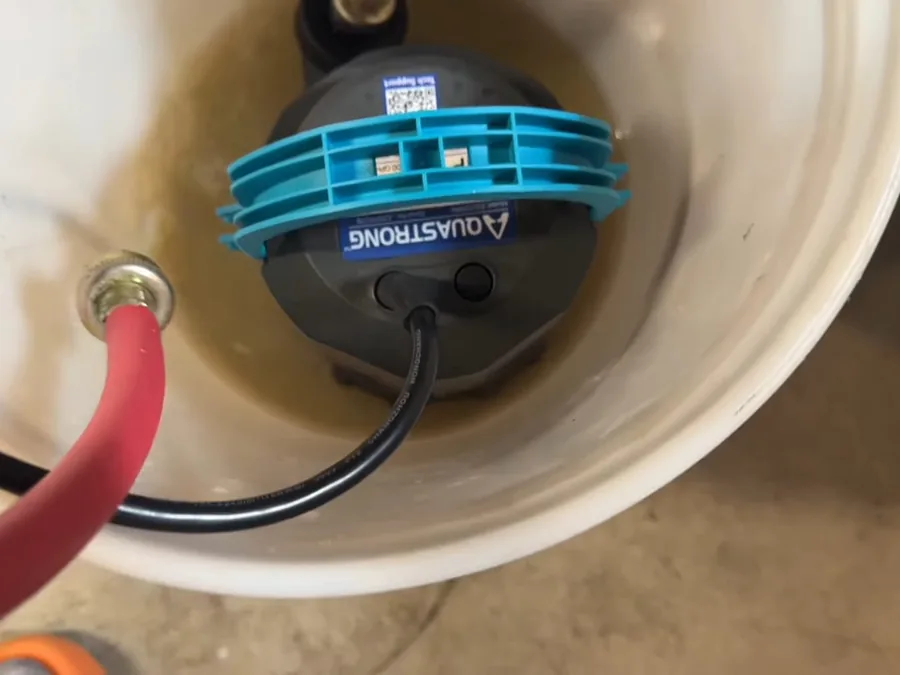
How often to descale in Glendora's water
The general manufacturer guidance is to descale a tankless water heater once a year. In a hard-water area like Glendora, once a year is the right baseline, and some heavily used units or homes at the higher end of the hardness range benefit from descaling every six to nine months. If your tankless heater serves a large household with high daily hot water use, lean toward the more frequent end.
The clearest way to remove the guesswork is a water softener. If you have a water softener feeding your tankless unit, the hardness minerals are removed before they reach the heat exchanger, dramatically slowing scale formation and extending the interval between descalings. Many Glendora homeowners with tankless heaters add a softener specifically to protect the unit.
Warning signs your tankless heater needs descaling
Fluctuating water temperature
Scale buildup disrupts the heat exchanger's performance, often producing inconsistent water temperature, the so-called cold water sandwich or temperatures that swing during a shower.
Reduced hot water flow
As scale restricts the passages, the flow of hot water drops. If your tankless unit is delivering less hot water than it used to, scale is a leading suspect.
Error codes
Many tankless units display error codes related to scale buildup or restricted flow. If your unit is throwing a maintenance or flow-related code, it may be due for descaling.
Longer wait for hot water or rumbling sounds
Scale can slow the unit's response and, in some cases, cause noises as water moves through the restricted heat exchanger.
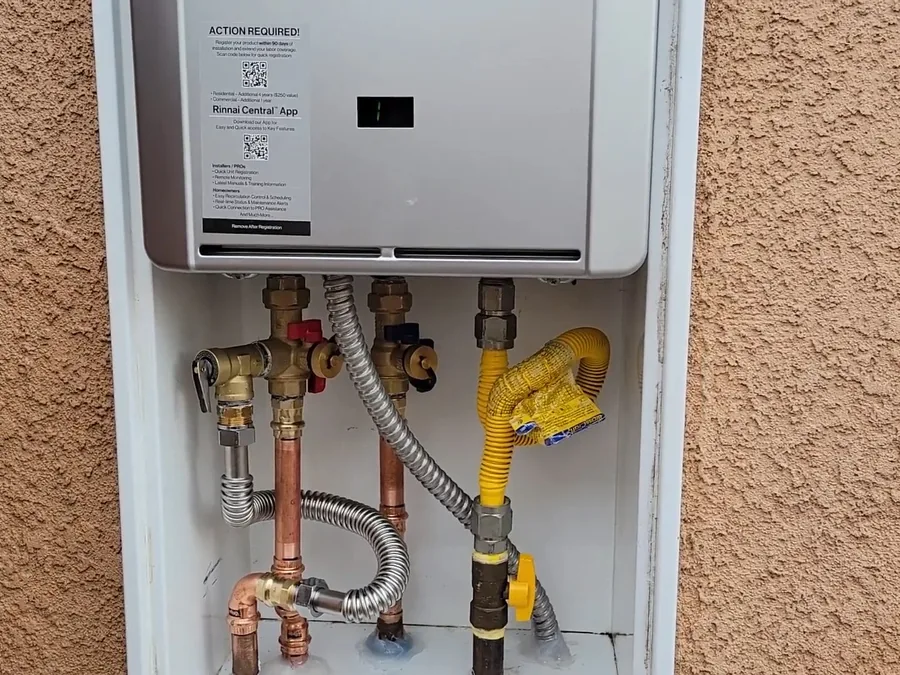
What descaling involves
Descaling, sometimes called flushing, circulates a descaling solution through the heat exchanger to dissolve the accumulated mineral scale. We connect to the unit's service valves, run the solution through the heat exchanger for the required time, flush it clean, and confirm the unit is operating correctly. If your tankless heater was installed without service valves, we can add them so future descaling is straightforward. The whole process is routine maintenance, not a repair, and keeping it on schedule is the key to getting the long service life tankless heaters are known for. We provide this as part of our tankless water heater services.
Is tankless right for your Glendora home?
Tankless makes the most sense for:
Homes that want endless hot water and have high or variable demand, like the North Glendora estates with multiple bathrooms and simultaneous use. Homes short on space, since a tankless unit mounts on a wall and frees up the floor area a tank occupies. And homeowners willing to keep up with annual descaling (or who pair the unit with a softener) to get the longer service life.
A traditional tank heater may be the better fit for a household that prefers lower upfront cost, does not want to manage descaling maintenance, or has hot water demand that a tank handles comfortably. Both are good options in Glendora, and the right choice depends on your demand, budget, space, and maintenance preferences. We install and service both and will give you a straight comparison for your home, including water heater installation for either type.
Schedule tankless descaling or a consultation
If your Glendora tankless heater is overdue for descaling or showing the warning signs above, regular maintenance protects your investment and keeps the hot water flowing. We provide tankless descaling, repair, and installation, plus honest advice on whether tankless or a softener pairing is right for your home. Learn more on our tankless water heater services page.