Slab Leak Detection & Repair in Glendora, CA | East SGV Specialists
Acoustic and thermal imaging for Glendora slab-on-grade homes · No jackhammering before we locate the leak · (626) 816-3170
Why slab leaks are a predictable problem in Glendora's 1970s-plus homes
Most Glendora construction from the 1970s onward sits on slab-on-grade concrete foundations. The copper supply lines running through and under those slabs were installed when the homes were built, and they are now 50 to 55 years old in 1970s-era properties. Two factors specific to the east San Gabriel Valley have accelerated corrosion in these lines: the City of Glendora Water Department's moderately hard water supply, typically 150 to 220 ppm, which deposits mineral scale inside pipes and interacts with copper chemistry over time; and ground movement in the alluvial soil at the base of the San Gabriel Mountains, which creates micro-stress on embedded pipe sections as the soil expands and contracts with wet and dry seasons.
A slab leak, meaning a pinhole failure in a supply line under or within the concrete, can run for weeks or months before it presents any visible damage. The water finds the path of least resistance along the underside of the slab or through the concrete itself. By the time a warm spot appears on the living room floor or a mildew smell develops in a carpeted bedroom, the leak has often been running long enough to saturate the subfloor insulation, wick up through floor coverings, or begin undermining the slab edge.
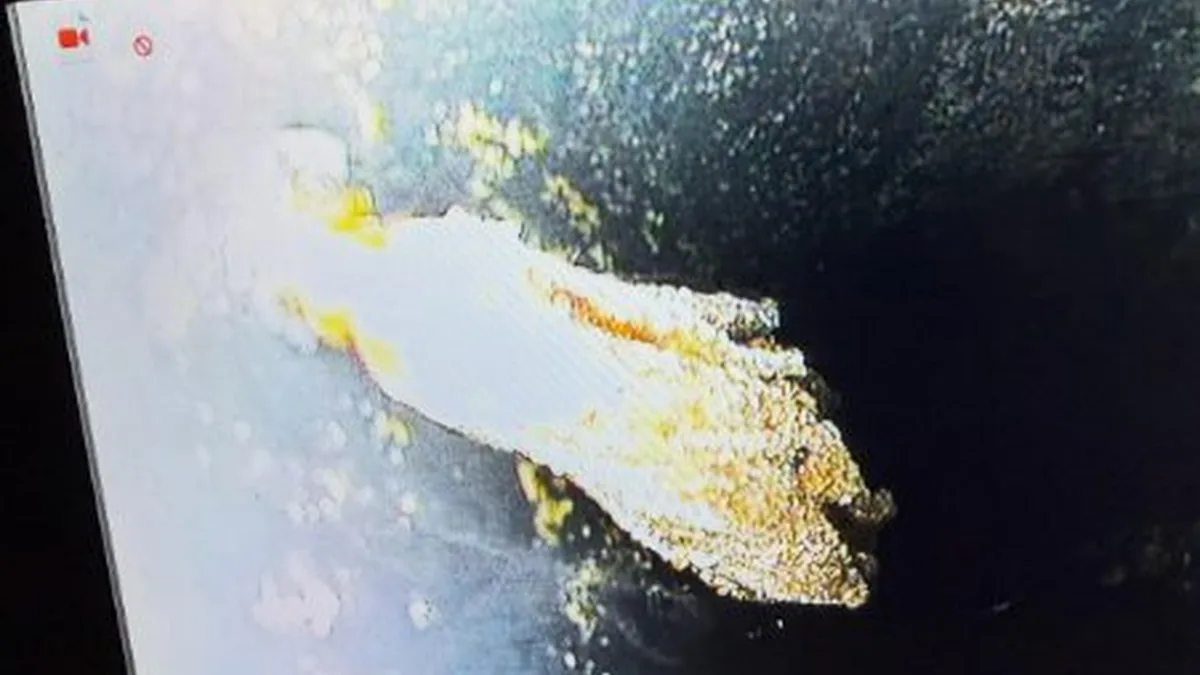
We locate slab leaks in Glendora homes using acoustic listening equipment and thermal imaging cameras before any concrete is opened. This means we know where the leak is before we decide how to repair it.
How slab leak detection and repair works in Glendora
Locate the leak before opening anything
We use two complementary detection methods. Acoustic listening devices amplify the sound of water escaping under pressure through a pinhole, allowing us to isolate which supply line is leaking and approximately where along its run under the slab. Thermal imaging cameras detect temperature differences at the slab surface caused by the leaking water. Together, these methods give us a precise target location before we mark the concrete. In most Glendora slab homes, detection takes two to four hours depending on the home's layout and whether multiple zones need to be tested.
Choose the right repair method for your home
After locating the leak, we explain three repair paths and recommend one based on what we found. Spot slab access involves cutting a small opening directly over the leak, repairing the pipe section, and patching the concrete (the right choice when the leak is isolated and access is not obstructed by tile, hardwood, or finished flooring). Pipe rerouting abandons the leaking under-slab line and runs new PEX pipe through the walls and attic to the affected fixtures (the right choice when the slab copper is showing multiple failure points or when the finished floor would be significantly damaged by direct access). Epoxy lining is an option for certain pipe configurations where lining the inside of the existing pipe is structurally viable.
Permits and inspection for Glendora slab work
Slab leak repairs that involve supply line rerouting through walls require a City of Glendora Community Development permit. We pull all required permits, coordinate the inspection schedule, and provide a copy of the permit and inspection signoff with the job documentation. Spot access repairs may or may not require a permit depending on scope; we confirm this with the city before starting. For North Glendora custom homes with HOA oversight, we can coordinate with your HOA representative on permit documentation if required.
Slab leak detection and repair costs in Glendora
Detection runs $300 to $600 depending on how long the acoustic and thermal search takes and how many supply zones we need to test. This cost is charged regardless of whether we find the leak, because the equipment time and technician diagnostic work is the same whether the leak is found in the first hour or the fourth. If we don't find a slab leak, we tell you that and explain what we did find or rule out.
Repair costs depend on the method. A spot slab access repair, including concrete cutting, pipe repair, and concrete patch, typically runs $1,500 to $2,500. A pipe rerouting project, where we run new PEX through the walls and attic and abandon the under-slab line, runs $2,500 to $4,000 for a single supply line reroute in a standard south Glendora or North Glendora home. Larger homes or more complex reroutes with multiple fixtures affected can run higher. We quote the repair before starting and the quote holds.
Frequently asked questions about slab leaks in Glendora
How do I know if I have a slab leak in my Glendora home?
The most common signs are a warm spot or damp area on the floor, a mildew smell in a room without an obvious water source, a water bill that has increased without any change in usage, or the sound of running water when all fixtures are off. In Glendora's 1970s-plus slab homes, these signs most often point to a pinhole in a copper supply line under or in the slab.
How much does slab leak detection cost in Glendora?
Detection in Glendora typically runs $300 to $600, depending on search time and how many zones we test. We use acoustic listening equipment and thermal imaging cameras. Detection cost is quoted separately from repair cost, which we determine after locating and assessing the leak.
What causes slab leaks in Glendora's 1970s homes?
The primary cause in east SGV slab homes is age-related pinhole corrosion in the original copper supply lines, now 50-plus years old. Glendora's moderately hard water supply at 150 to 220 ppm accelerates internal copper corrosion compared to softer water areas. Ground movement in the alluvial soil at the San Gabriel Mountain foothills adds physical stress to embedded pipe sections.
What are my repair options for a slab leak in Glendora?
The main options are: (1) spot slab access: cut a small opening directly over the leak, repair the pipe, patch the concrete; (2) pipe rerouting: abandon the under-slab line and run new PEX through walls and attic; (3) epoxy lining: where structurally viable, line the inside of the existing pipe. We explain which option fits your home's specific situation before you decide.
Does slab leak repair in Glendora require a City of Glendora permit?
Supply line rerouting through walls typically requires a City of Glendora Community Development permit. Spot slab access repairs may or may not require a permit depending on scope. We pull all required permits for work we perform and coordinate inspections with the city's schedule.
Related plumbing services in Glendora
Leak Detection
For leaks that aren't confirmed slab leaks, including those inside walls, ceilings, or supply lines outside the slab footprint. Acoustic, electronic, and thermal methods.
Repiping
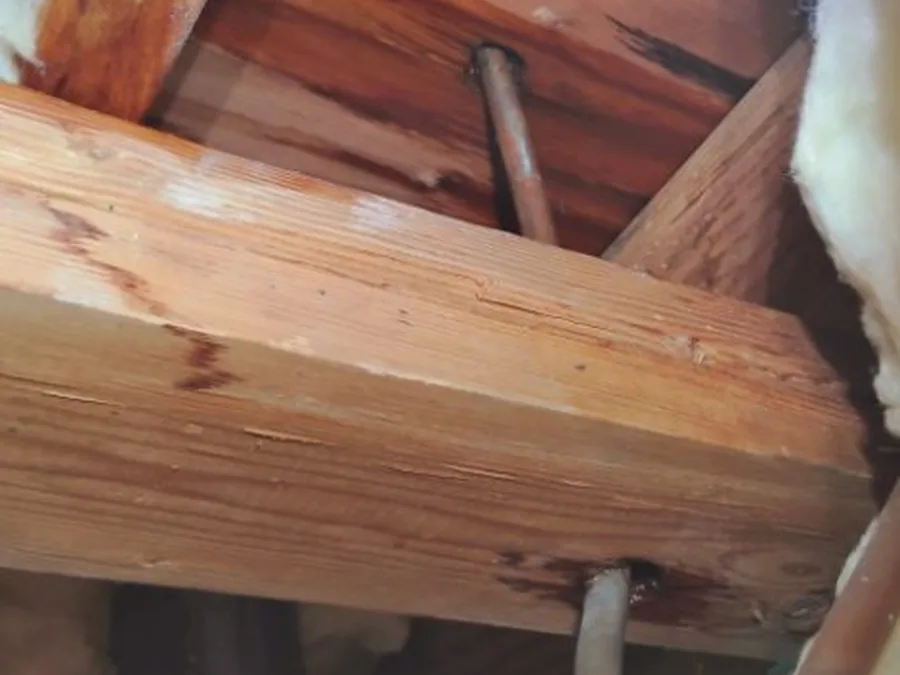
When a slab leak is one of several failing copper sections in a 1970s Glendora home, full PEX repiping is often the better long-term decision.
Water Line Repair & Replacement
Main service line failures from the Glendora Water meter to the home's foundation entry point.
24/7 Emergency Plumber
For slab leak emergencies that can't wait. We dispatch around the clock and stabilize the system until detection and repair can be completed.
Slab leak service areas in Glendora and the east SGV
Suspect a slab leak in your Glendora home?
Call for a slab leak detection appointment. We locate the leak before any concrete is opened, then quote the repair with all options explained. Free estimate on repair scope.
✆ (626) 816-3170 — Call Now524 W Foothill Blvd Ste 4 · Glendora, CA 91741