A storage tank water heater is supposed to last somewhere in the range of 8 to 12 years. In Glendora, plenty of them fall short of that, failing at 6 to 8 years and leaving the homeowner surprised that a relatively new-feeling appliance has already given out. The most common reason is sitting at the bottom of the tank: hard water sediment. Understanding how it forms and what it does explains both why Glendora water heaters age early and how a simple annual maintenance step can meaningfully extend their life.
How sediment forms in a Glendora water heater
Glendora's water carries 150 to 220 ppm of dissolved hardness minerals, mainly calcium and magnesium. Those minerals stay dissolved in cold water, but heat changes that. When the water in your tank is heated, the minerals come out of solution and precipitate as solid particles. Being heavier than water, they settle to the bottom of the tank, building up a layer of sediment that grows thicker over the years.
In a low-hardness area, this happens slowly. In Glendora's moderately hard water, it happens faster, which is why Glendora water heaters accumulate a significant sediment layer well within their expected service life.
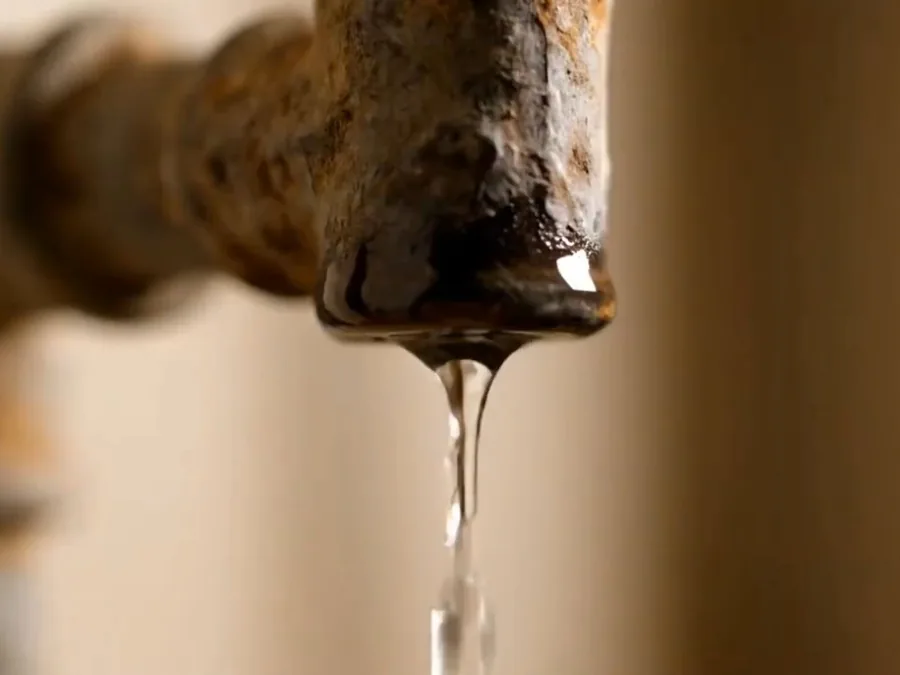
What the sediment does to your water heater
It insulates the water from the burner (gas heaters)
In a gas water heater, the burner is at the bottom of the tank, heating the water from below. A thick sediment layer sits directly between the burner and the water, acting as insulation. The burner has to run longer and hotter to push heat through the sediment, which wastes energy and raises your gas bill. Worse, the trapped heat overheats the steel tank bottom, stressing the metal and the protective glass lining, which leads to early tank failure.
It causes popping and rumbling sounds
Water gets trapped under and within the sediment layer. When it heats and turns to steam, it escapes through the sediment with a popping or rumbling sound. If your Glendora water heater has started making these noises, it is telling you the sediment has built up significantly.
It accelerates corrosion and burns out elements (electric heaters)
In an electric water heater, sediment can bury the lower heating element, causing it to overheat and burn out. Sediment also accelerates corrosion of the tank and consumes the sacrificial anode rod faster, both of which shorten the heater's life.
It reduces hot water capacity
As the sediment layer grows, it takes up volume that would otherwise hold hot water, so you effectively get less hot water from the same size tank. A heater that used to provide enough hot water but no longer does may be losing capacity to sediment.
The warning signs to watch for
Catching sediment problems early lets you act before the heater fails. Watch for popping or rumbling noises during heating, a drop in how much hot water you get, rusty or cloudy hot water, longer recovery time between hot showers, and a rising gas or electric bill with no change in usage. Any of these in a Glendora home points toward sediment. If you also see water pooling around the base of the tank, that is a sign the tank itself may have failed, and you should call promptly. Our water heater repair service can diagnose which issue you are dealing with.
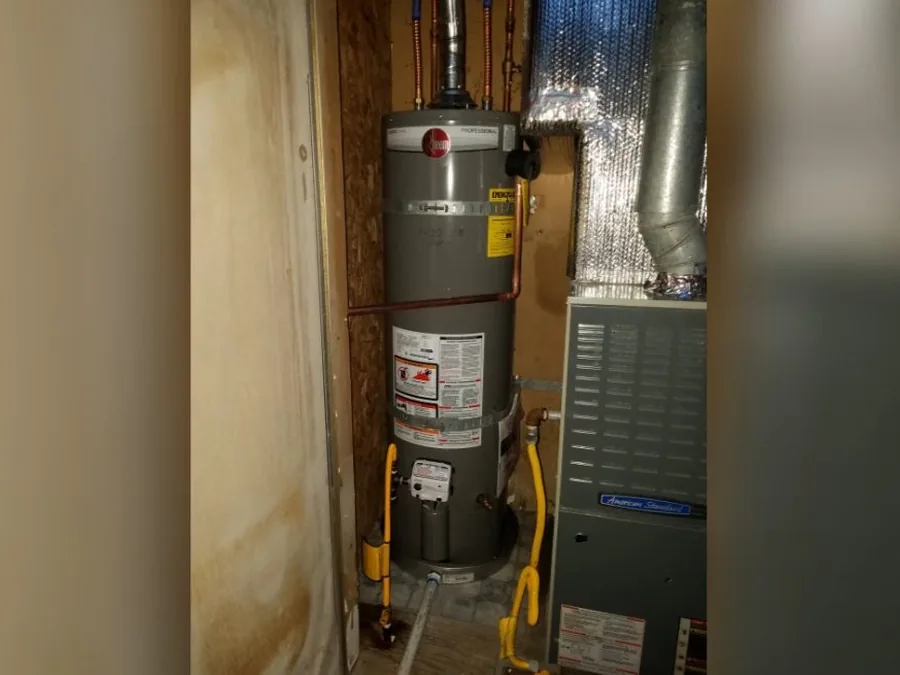
How an annual flush extends the life of your tank
The single most effective maintenance step against sediment is an annual flush. Flushing drains the tank and clears out the accumulated sediment before it builds into a thick, problem-causing layer. Done every year, a flush keeps the burner working efficiently, prevents the overheating that stresses the tank, preserves your hot water capacity, and can add years to the heater's usable life.
A proper flush also includes checking the anode rod, the sacrificial metal rod that corrodes in place of the tank. In Glendora's hard water, the anode rod is consumed faster, and replacing it when it is depleted protects the tank from corrosion. A water heater that gets an annual flush and a timely anode rod replacement can reach or exceed its full expected service life, while one that never gets flushed in Glendora's water often falls short.
If you have never had your Glendora water heater flushed and it is several years old with a heavy sediment layer, flushing still helps, though a heater that has already been damaged by years of sediment may be closer to replacement. We assess the condition during service and give you a straight answer on whether maintenance or replacement is the better value.
Should you consider a softener or tankless?
If sediment keeps shortening your water heaters, two upgrades address the root cause. A water softener removes the hardness minerals before they reach the heater, dramatically reducing sediment formation. A tankless water heater has no storage tank for sediment to collect in, though it requires its own hard-water maintenance in the form of periodic descaling. Both are worth discussing if early water heater failure has become a pattern in your home.
Schedule a water heater flush
An annual flush is inexpensive insurance against early water heater failure in Glendora's hard water. We provide water heater flushing, anode rod service, repair, and replacement for Glendora homes. Learn more on our water heater repair page or our water heater installation page.