If you have an irrigation system, a pool, or certain other water connections at your Glendora home, you may be required by California law to have a backflow prevention device tested every year. Many homeowners receive a notice about backflow testing and are unsure what it means or whether it applies to them. This post explains what backflow prevention is, what California Title 17 requires, which Glendora homes need annual testing, and how the yearly process works.
What backflow is and why it matters
Backflow is the unwanted reversal of water flow in a plumbing system. Normally, water flows one direction: from the public main into your home and irrigation. But if pressure in the main drops suddenly, for example during a water main break or heavy firefighting demand nearby, the pressure differential can reverse, and water from your property can be siphoned back into the public supply. The concern is contamination: water that has been sitting in an irrigation system, in contact with fertilizer, pesticides, animal waste, or pooled in a pool fill line, could be drawn back into the drinking water supply shared by the whole neighborhood.
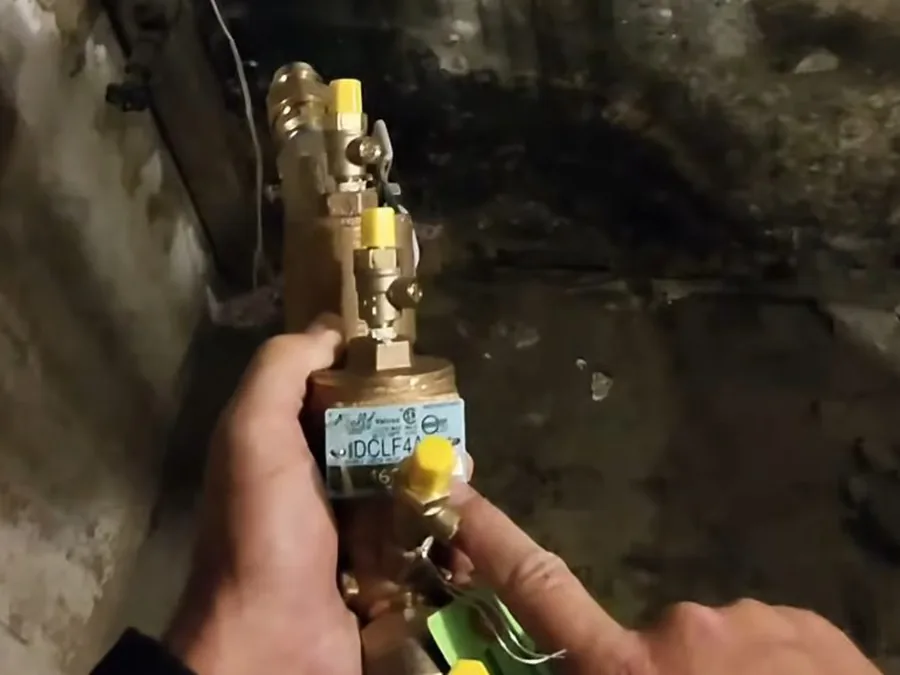
A backflow prevention device, also called a backflow preventer or backflow assembly, is a valve that allows water to flow only in the correct direction, blocking any reverse flow. It is the safeguard that keeps potential contaminants on your property out of the public drinking water. Because it is a mechanical device with internal seals and check valves that can wear or fail, it must be tested regularly to confirm it still works.
What California Title 17 requires
California's backflow rules come from Title 17 of the California Code of Regulations, the state's cross-connection control regulations. Under Title 17, water suppliers are required to maintain a cross-connection control program, which includes identifying connections that pose a backflow risk, requiring an approved backflow prevention assembly on those connections, and requiring that each assembly be tested by a certified tester at least once a year. The annual testing requirement is the part that affects homeowners most directly: if you have a testable backflow assembly, it must be tested every year and the results reported to your water supplier.
The testing has to be performed by a certified backflow tester using calibrated test equipment, and the certified test report is filed with the water provider, the City of Glendora Water Department or Suburban Water Systems depending on your address, to document compliance.
Which Glendora homes need annual backflow testing?
Not every Glendora home has a backflow assembly, but many do. The most common triggers are:
Irrigation systems
An in-ground irrigation or sprinkler system is the most common reason a residential property has a backflow assembly. Because irrigation water contacts soil, fertilizer, and pesticides, the connection requires backflow protection, and that assembly requires annual testing.
Pools and spas
A dedicated pool or spa fill line often requires a backflow assembly to protect the supply from pool chemicals, which means annual testing. This is common in the pool-heavy North Glendora and Glendora Country Club estate neighborhoods.
Properties with multiple assemblies
Larger estate properties frequently have several testable assemblies, one for each irrigation zone or system plus the pool fill, often three to five assemblies on a single property. Each one requires its own annual test. We schedule all assemblies on a property in a single visit to keep it simple.
Wells, secondary water sources, and certain fixtures
A private well, a secondary water source, or certain other connections can also trigger a backflow requirement.
How the annual testing process works
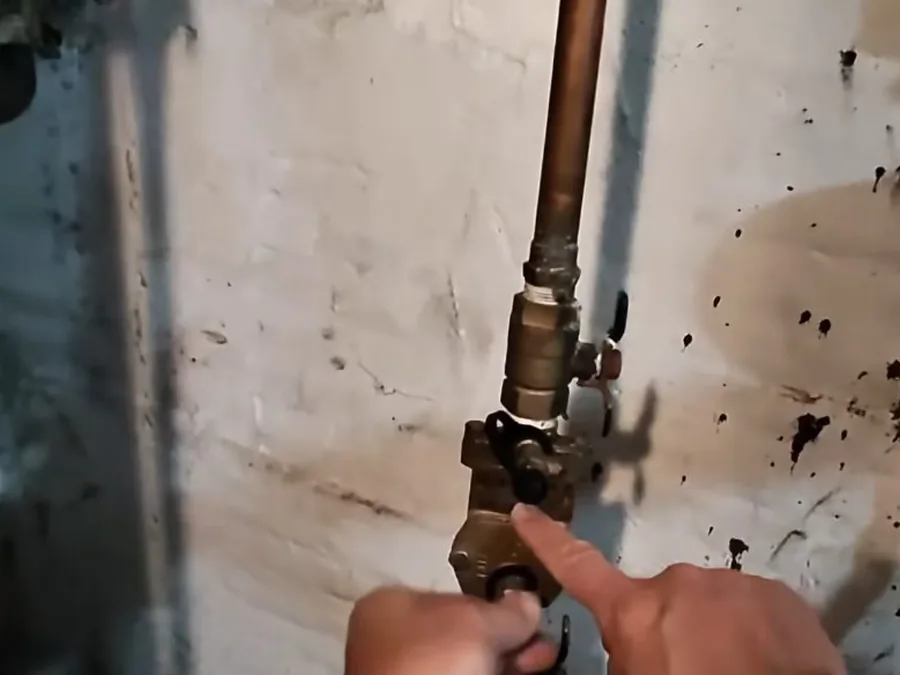
The process is quick and straightforward. A certified tester attaches a calibrated test kit to the assembly's test cocks and runs through the test procedure, which checks that the check valves and relief valve are holding and operating correctly. The test takes only a short time per assembly. If the assembly passes, the tester completes the certified report and files it with your water provider, and you are compliant for the year. If the assembly fails, it means an internal seal or valve has worn out, and the assembly needs repair or rebuild, after which it is retested to confirm it passes.
Most water providers send an annual notice when your test is due, giving you a window to get it done. Missing the deadline can result in penalties or, in some cases, the provider taking action on the connection, so it is worth scheduling promptly when you get the notice. We are certified backflow testers and handle the test, the report filing, and any needed repairs as part of our backflow testing and prevention service.
Get your Glendora backflow assembly tested
If you received a backflow testing notice or have an irrigation system or pool with a backflow assembly, we provide certified annual testing, report filing, and repair throughout Glendora, scheduling all assemblies on your property in one visit. Learn more on our backflow testing and prevention page.