Pool Leak Detection & Repair in Glendora, CA | North Glendora Pool Specialists
Shell cracks, return line failures, and equipment pad leaks for Glendora and east SGV pools · Pressure testing and dye inspection · (626) 816-3170
Pool leak detection for North Glendora's custom estate pool stock
Pool prevalence in North Glendora's "The Hills" custom home zone runs between 30 and 40 percent, and the pools in this area are predominantly gunite construction built from the 1980s onward alongside the custom homes themselves. After 30 to 40 years, the plumbing fittings that connect the pool shell to the return lines and main drain are subject to the same soil movement stress that affects residential supply pipes in the east San Gabriel Valley foothill zone. The alluvial fan soil at the base of the San Gabriel Mountains shifts seasonally as it wets and dries, and that movement stresses embedded fittings over decades.
The result is that a North Glendora pool losing more than one inch of water per day during summer, after accounting for evaporation, is very likely losing water through a fitting failure, a structural crack at a fitting intersection, or a deteriorated light niche seal. The bucket test is the most reliable first check: a bucket set on a submerged pool step and compared against pool water loss over 24 hours separates evaporation from leak. When the pool is consistently losing significantly more than the bucket over multiple days, detection and repair is the next step.
We also serve the Glendora Country Club area and adjacent Bradbury, where custom estate pools are similarly prevalent.
How we detect and repair pool leaks in Glendora
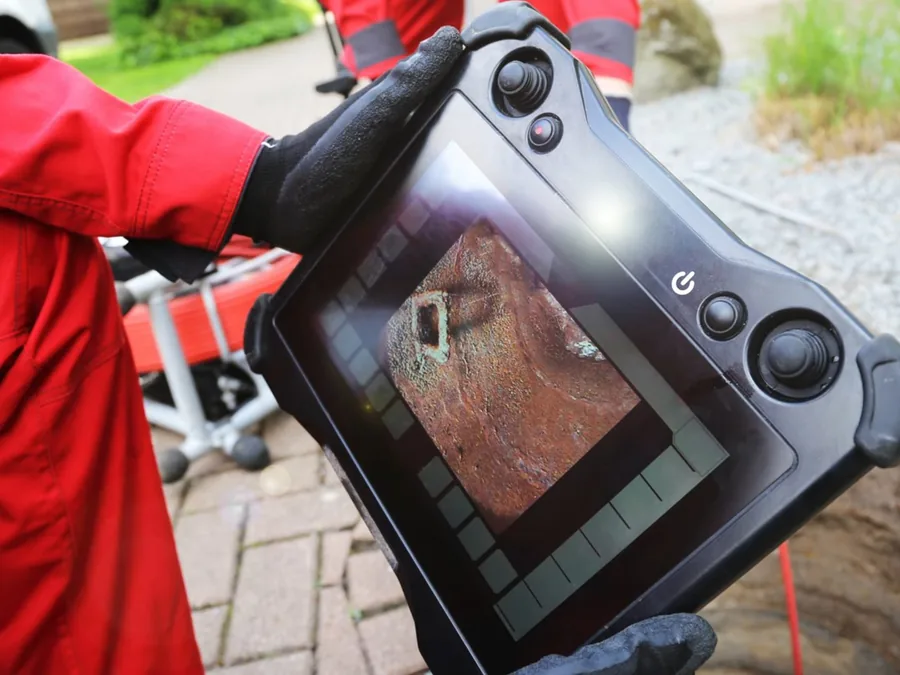
Pressure testing the plumbing lines
Pool return lines, suction lines, and main drain lines are tested under pressure to identify which lines are losing pressure and at what rate. Each circuit is isolated and pressurized; a circuit that loses pressure while others hold confirms the leak is in that specific line. For North Glendora pools where underground return lines run significant distances from the equipment pad to the pool shell, pressure testing identifies whether the failure is at the shell fitting, in the underground section, or at the equipment pad union before any excavation is considered.
Dye testing at the shell and fittings
After pressure testing confirms which circuits are leaking, dye testing pinpoints the exact location. A syringe of pool dye injected at a suspected fitting draws visibly toward the leak point if water is escaping at that location. Light niche fittings, skimmer throats, return jet fittings, and main drain covers are all inspected with dye. For structural cracks in the shell, dye tracing at the crack line confirms whether the crack is actively taking in water or is cosmetic. Dye testing is performed with the pump off so there is no flow to disturb the dye movement toward the leak.
Repair options by leak type and location
Light niche fitting failures are repaired by draining to below the light and replacing the fitting and conduit seal. Return line fitting failures at the shell are repaired with hydraulic epoxy injection where the shell is structurally sound around the fitting, or by cutting and replacing the fitting where the surrounding shell has cracked. Underground return line leaks may require spot excavation and section replacement or trenchless pressure lining depending on the depth and access. Equipment pad plumbing leaks at PVC unions, heater connections, and check valves are repaired or replaced with the pump isolated. We provide a written repair quote for each identified leak location before starting work.
Pool leak detection and repair costs in Glendora
Pool leak detection including pressure testing all plumbing circuits and dye testing the shell and fittings runs $300 to $600 depending on pool size and the number of circuits. Detection cost is credited toward repair if we proceed on the same visit. Repair costs depend on what the detection finds: a light niche seal replacement runs $400 to $700; a return line fitting repair at the shell runs $500 to $1,200; an underground return line spot repair with excavation runs $1,000 to $2,500 depending on depth and length of the failed section. Equipment pad plumbing repair runs $300 to $900 depending on the scope of fittings and connections involved.
Frequently asked questions about pool leaks in Glendora
How do I know if my Glendora pool is leaking or just evaporating?
A North Glendora pool in full sun loses about one quarter inch per day to evaporation in warm months. The bucket test: fill a bucket to pool water level, set it on a submerged pool step, and compare water loss after 24 hours. If the pool consistently loses significantly more than the bucket over multiple days, a leak is likely rather than evaporation.
Where do pool leaks most commonly occur in North Glendora pools?
The most common locations are: return line fittings at the shell wall; light niches (one of the most common pool leak sources in gunite pools); skimmer throat fittings; main drain fittings; and equipment pad plumbing at heater and pump connections that experience repeated thermal stress.
How much does pool leak detection cost in Glendora?
Detection including pressure testing all circuits and dye testing the shell and fittings runs $300 to $600. Detection cost is credited toward repair if we proceed at the same visit. Repair costs are quoted after detection based on what we find.
Can you repair a pool shell crack without draining the pool?
Minor surface cracks can sometimes be sealed with underwater epoxy injection without full drainage. Structural cracks or cracks at fittings typically require partial or full drainage to properly repair. We tell you which approach is appropriate after completing the inspection.
Do you repair pool equipment pad plumbing leaks in Glendora?
Yes. Cracked PVC unions, failed heater connections, and deteriorated check valves at the equipment pad are common pool plumbing service calls in North Glendora. If the pool heater has a gas line connection, we coordinate gas-side work with the pool plumbing repair on the same visit.
Related plumbing services in Glendora
Gas Line Installation & Repair
Pool heater gas line repair and extension for North Glendora custom homes with gas-fired pool and spa heaters.
Leak Detection
For water loss that may be originating from the home's supply system rather than the pool shell. Acoustic and thermal methods before any access is opened.
Backflow Testing & Prevention
Pool fill lines connected to City of Glendora Water supply require a testable backflow preventer. Annual testing required under California Title 17.
Hose Bib & Outdoor Faucet Repair
Outdoor water supply at the pool equipment pad and outdoor areas of North Glendora custom homes.
Pool leak detection service areas
Glendora pool losing water faster than normal?
Call to schedule a pool leak detection visit. We pressure test and dye inspect before recommending any repair. Written quote after detection.
✆ (626) 816-3170 — Call Now524 W Foothill Blvd Ste 4 · Glendora, CA 91741