A water softener is one of the most common upgrades Glendora homeowners ask about, and the honest answer to "is it worth it" is that it depends on your household and what you are trying to accomplish. A softener is a real investment with real ongoing costs, and for some homes it pays off clearly while for others it is more of a comfort-and-convenience choice. This post lays out the actual costs, the genuine benefits, who gains the most, and how your water provider does and does not factor into the decision.
What a water softener does
A water softener removes the calcium and magnesium that make Glendora's water hard, typically through ion exchange, where the hardness minerals are swapped for sodium or potassium as water passes through a resin tank. The softener periodically regenerates, flushing the accumulated minerals and recharging the resin. The result is soft water throughout the home, which does not leave scale, does not spot fixtures, and lets soap lather properly.
The real costs
There are two cost components to weigh: installation and ongoing operation.
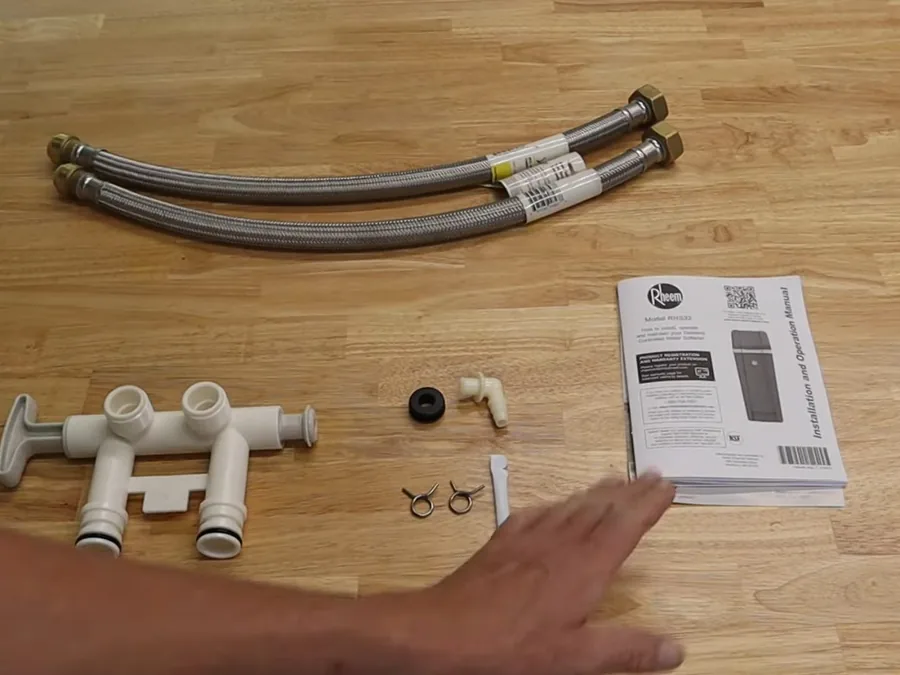
Installation: A quality whole-home water softener, installed and connected, typically runs in the range of 800 to 1,800 dollars for the equipment and standard installation, depending on the system capacity, the type, and the plumbing configuration at your home. Homes that need a new loop plumbed in or have difficult access run toward the higher end.
Ongoing operation: A traditional ion-exchange softener uses salt (or potassium), which you refill periodically, and it uses water to regenerate. The annual cost of salt and the regeneration water is modest but not zero, generally a manageable yearly figure. Salt-free conditioner systems avoid the salt and regeneration but work differently and are better thought of as scale-reducers than true softeners.
The genuine benefits
Longer water heater and appliance life
This is the benefit with the clearest financial logic. Soft water stops new scale from forming, which protects your water heater from sediment buildup and protects dishwashers, washing machines, and other water-using appliances from scale damage. In Glendora's 150 to 220 ppm water, this protection is meaningful over the life of those appliances. A tankless water heater in particular benefits, since soft water dramatically reduces the descaling frequency it would otherwise need.
Protecting a new repipe
Homeowners who have just invested in a whole-home repipe sometimes add a softener to keep the new system free of scale and extend its life, getting the most out of the repipe investment.
Cleaner fixtures, glassware, and less soap
Soft water eliminates the spotting on glasses, the film on shower doors, and the scale on fixtures, and it makes soap and detergent more effective, so you use less. For many homeowners, the day-to-day difference in how clean everything stays is the most noticeable benefit.
Softer feel for skin, hair, and laundry
Soft water rinses more cleanly, which many people find leaves skin and hair feeling better and laundry softer. This is subjective but real, and for some households it is the deciding factor.
Who gains the most?
A water softener tends to be most worth it for:
Homes with a tankless water heater, which scales up fastest in hard water and benefits most from softening. Homes that have just been repiped and want to protect the new system. Larger households with high water and appliance use, where the appliance-protection benefit scales up. And homeowners who are simply bothered by the spotting, film, and soap-scum effects of hard water and value the day-to-day cleanliness.
It is a weaker case for a small household in an older home that is not planning to stay long, where the multi-year payback on appliance protection may not be realized before moving.
Does it matter if you're on City of Glendora Water or Suburban Water Systems?
This is a common Glendora question because the city is served by two providers. The short answer for softener purposes is that it makes very little difference. Both the City of Glendora Water Department and Suburban Water Systems supply water in the same general 150 to 220 ppm hardness range, because both draw on the same regional San Gabriel Valley groundwater. So the hardness problem a softener solves is essentially the same regardless of which provider serves your address. Where the City versus Suburban distinction does matter is for service line and meter responsibility, which we cover in our post on City of Glendora Water versus Suburban Water Systems, not for the softener decision.
Get a softener recommendation for your home
The best way to decide is to look at your specific household: your water heater type, your appliance situation, your household size, and your priorities. We provide water softener sizing and installation for Glendora homes, and we are happy to give you an honest assessment of whether it makes sense for your situation rather than a one-size-fits-all pitch.