Most people assume that more water pressure is better. Strong pressure feels good in the shower and fills the tub quickly. But water pressure that is too high is one of the quieter causes of plumbing damage, and in Glendora's hillside neighborhoods, high pressure is more common than many homeowners realize. If your home sits lower on a slope in Glendora Heights, the foothill edges of North Glendora, or similar terrain, your incoming pressure may be above the safe range, and a pressure-reducing valve may be protecting your whole plumbing system, or should be.
This post explains why hillside homes get high pressure, what damage excessive pressure causes, the threshold to watch (80 psi), and how a pressure-reducing valve fixes the problem.
Why hillside homes get high water pressure
Water pressure in a municipal system is driven largely by elevation. Water providers serving hilly terrain like Glendora's foothills have to deliver enough pressure to reach homes at the top of the slope. Since pressure increases as you go downhill, the system is often set up so that homes at higher elevations get adequate pressure while homes lower on the same slope receive considerably more, sometimes well above what household plumbing is designed for.
The City of Glendora Water Department operates pressure zones to manage this across the foothill areas, but within a zone, a home's position on the slope still affects its static pressure. A home near the bottom of a hillside zone can see pressure that is fine for delivery but high for the fixtures and appliances inside the house. This is why high pressure clusters in the lower portions of Glendora's hillside neighborhoods like Glendora Heights.
The 80 psi threshold
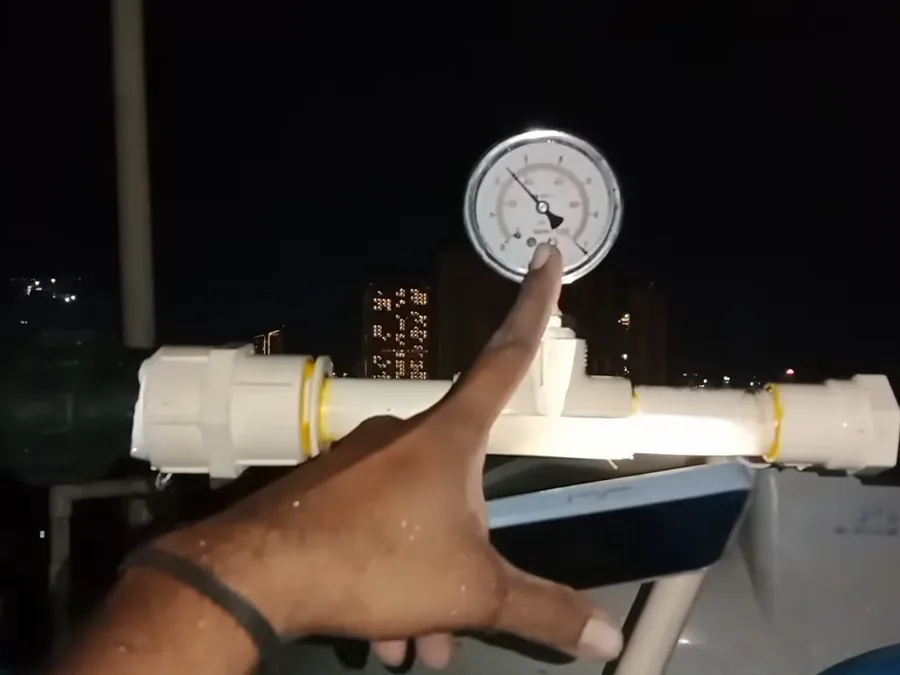
The California Plumbing Code sets 80 psi as the maximum static water pressure for a residence. Above that, the code requires a pressure-reducing valve to bring it down. The reason for the limit is that household plumbing, fixtures, and appliances are designed and warranted for operation within that range. Pressure above 80 psi accelerates wear and increases the risk of failures and leaks.
The only way to know your home's pressure is to measure it. A simple pressure gauge attached to an outdoor hose bib gives a static pressure reading. Many hillside Glendora homeowners are surprised to find their pressure well above 80 psi when they have it checked. If your home has never been tested and you have any of the symptoms below, a pressure test is a quick, worthwhile first step.
What high pressure damages
Fixtures, faucets, and valves
Excessive pressure wears out the internal seals and washers in faucets and valves faster, leading to drips and the need for more frequent repairs. Toilet fill valves and supply line connections are also stressed.
Water heater and appliances
High pressure stresses the water heater tank and can cause the temperature-and-pressure relief valve to discharge. Dishwashers, washing machines, and refrigerator water lines all have valves and hoses rated for normal pressure, and high pressure shortens their life and raises the risk of a burst supply hose, a common cause of household water damage.
Pipes and joints
Sustained high pressure stresses pipe joints and fittings throughout the home, contributing to leaks. In a home with aging pipes, high pressure accelerates the failures the pipes were already heading toward.
Water hammer and noisy pipes
High pressure makes water hammer, the banging sound when a valve closes quickly, more pronounced, and that repeated shock stresses the system further.
Higher water bills
More pressure means more water flows through every open tap and every running fixture, so high pressure quietly increases your water usage and bill.
How a pressure-reducing valve fixes it
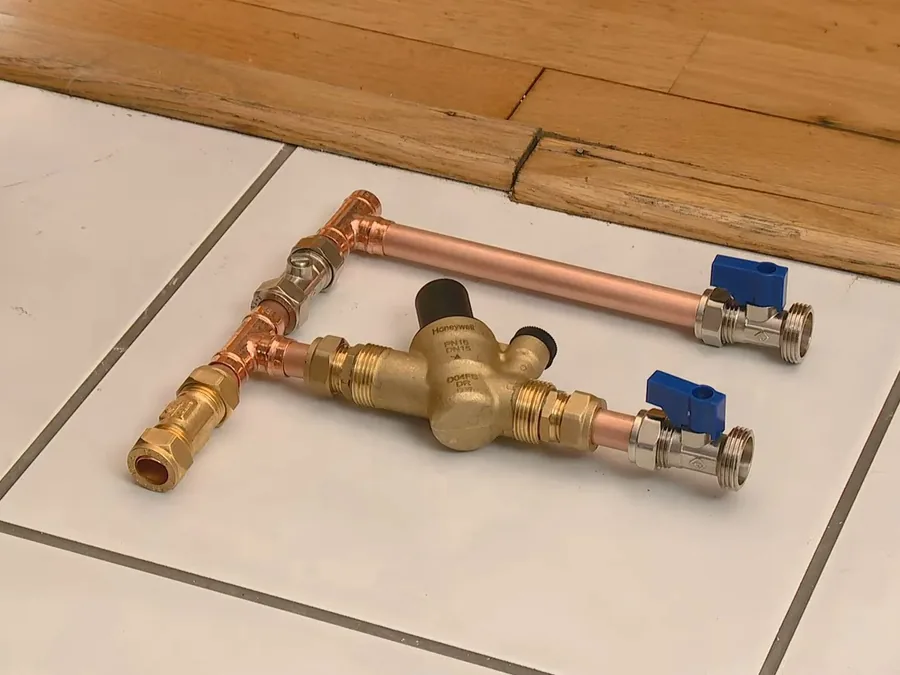
A pressure-reducing valve (PRV) is a valve installed on the main water line where it enters the home. It automatically reduces the incoming pressure to a safe, consistent set point, typically around 50 to 60 psi, regardless of how high the street pressure is. Once installed and set, it protects the entire home's plumbing, fixtures, and appliances from the high incoming pressure, while still delivering plenty of pressure for comfortable use.
A PRV is a mechanical device that does eventually wear out, usually after many years, at which point pressure may start creeping up or become erratic, and the valve needs replacement. If your home already has a PRV and you are noticing pressure changes, the valve may be due for service. We test pressure, install new PRVs, and replace failed ones as part of our water line repair and replacement service.
Signs you may have high pressure or a failing PRV
Watch for banging pipes (water hammer), faucets that wear out or drip frequently, a water heater relief valve that periodically discharges, running toilets, and a general sense that the pressure is forceful or has changed. Any of these in a hillside Glendora home is worth a pressure test. If you do not know whether your home even has a PRV, that is also worth checking, since older hillside homes were sometimes built without one or have a valve that failed years ago.
Get your Glendora water pressure tested
If your hillside Glendora home has high pressure symptoms, or you simply want to know your static pressure and whether your PRV is doing its job, a pressure test is quick and inexpensive. We test pressure and install or service pressure-reducing valves throughout Glendora's hillside neighborhoods. Learn more on our water line repair page or our Glendora Heights page.