A slab leak is a leak in a water supply line running beneath the concrete foundation of a home. They are among the more stressful plumbing problems a homeowner can face, because the leak is hidden under the slab where you cannot see it, and the water has nowhere obvious to go. In Glendora's foothill neighborhoods, North Glendora's "The Hills," Glendora Heights, and the foothill edges of east Glendora, slab leaks are notably common. The reason has as much to do with geology as with plumbing.
This post explains why the alluvial soil at the base of the San Gabriel Mountains makes slab leaks more likely in foothill Glendora homes, how to recognize the signs, and how modern slab leak detection locates the leak without tearing up your floors to find it.
What sits under a foothill Glendora home
Glendora is built on an alluvial fan, the broad apron of sediment that the San Gabriel Mountains have shed downhill over thousands of years. Alluvial soil is made of material washed down from the mountains: a mix of sand, gravel, silt, and clay deposited in layers. The foothill neighborhoods sit highest on this fan, closest to the mountains, on some of the youngest and least settled of these deposits.
The key property of this soil for plumbing purposes is that it moves. Alluvial soil with clay content expands when it absorbs water and contracts as it dries, a cycle that repeats with every wet and dry season. Sandy and gravelly layers can also shift and settle over time. The result is a foundation that is not sitting on perfectly stable ground, but on material that flexes slightly with the seasons and the years.
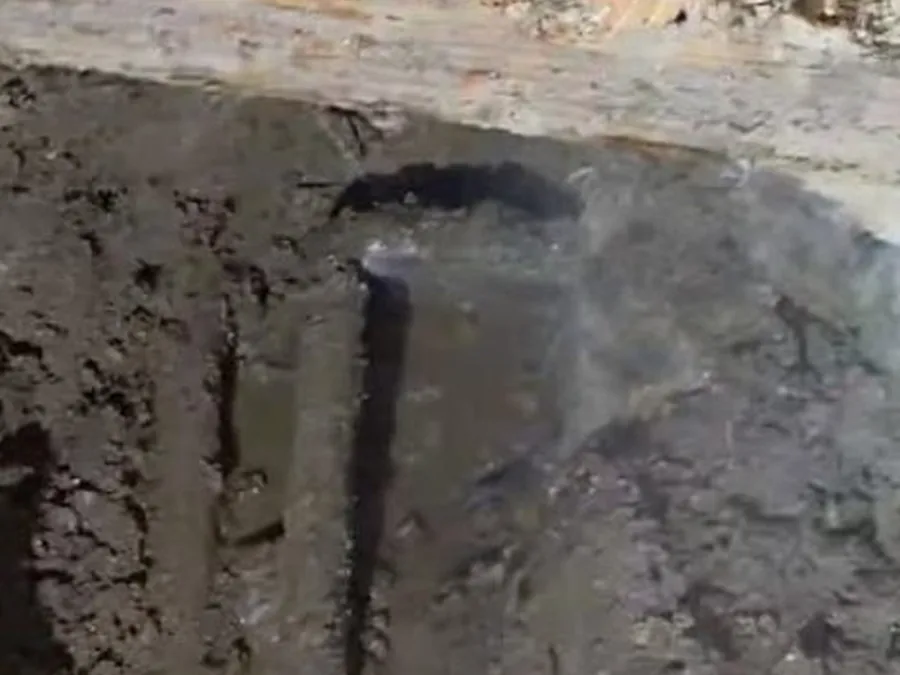
How soil movement turns into a slab leak
The custom homes of North Glendora and the foothill neighborhoods were built predominantly from the 1970s onward on slab-on-grade foundations. In slab construction, the copper water supply lines are run in or just beneath the concrete slab before it is poured. Once the slab is in place, those lines are locked in position, surrounded by concrete and soil.
When the alluvial soil beneath the slab expands, contracts, and shifts with the seasons, it moves the slab very slightly, and the embedded copper lines move with it. Over years and decades, this repeated flexing does two things. First, it can abrade the copper where the pipe rubs against the concrete or against gravel in the soil, wearing through the pipe wall at the contact point. Second, it puts stress on the fittings and bends where the pipe changes direction, and those stress points are exactly where copper is most likely to develop a leak. Add the natural aging of 40-plus-year-old copper, and the foothill soil movement becomes the trigger that turns an aging pipe into an active slab leak.
This is why slab leaks cluster in the foothill neighborhoods rather than being evenly spread across Glendora. The flatter, more settled ground of south Glendora moves less, while the younger, steeper alluvial deposits of the foothills move more, and they carry the homes most likely to be on slab foundations of the right age.
Signs of a slab leak in a foothill home
Because a slab leak is hidden under concrete, you have to read the indirect signs:
A warm spot on the floor
If the leak is in a hot water line, the escaping hot water warms the slab above it. An unexplained warm patch on a tile or vinyl floor is a classic slab leak sign.
The sound of running water with everything off
Turn off every fixture and appliance that uses water and listen. If you can still hear water running or hissing, a supply line is leaking somewhere, and under a slab home that often means a slab leak.
An unexplained spike in your water bill
A slab leak runs continuously, so it shows up as a sustained jump in water usage with no change in your habits.
Low water pressure
Water escaping under the slab means less pressure reaching your fixtures. A general drop in pressure throughout the house can accompany a slab leak.
Cracks in flooring or foundation, or moisture at the slab edge
In more advanced cases, water under the slab can cause flooring to crack or lift, or you may see moisture or efflorescence appearing where the slab meets the wall.
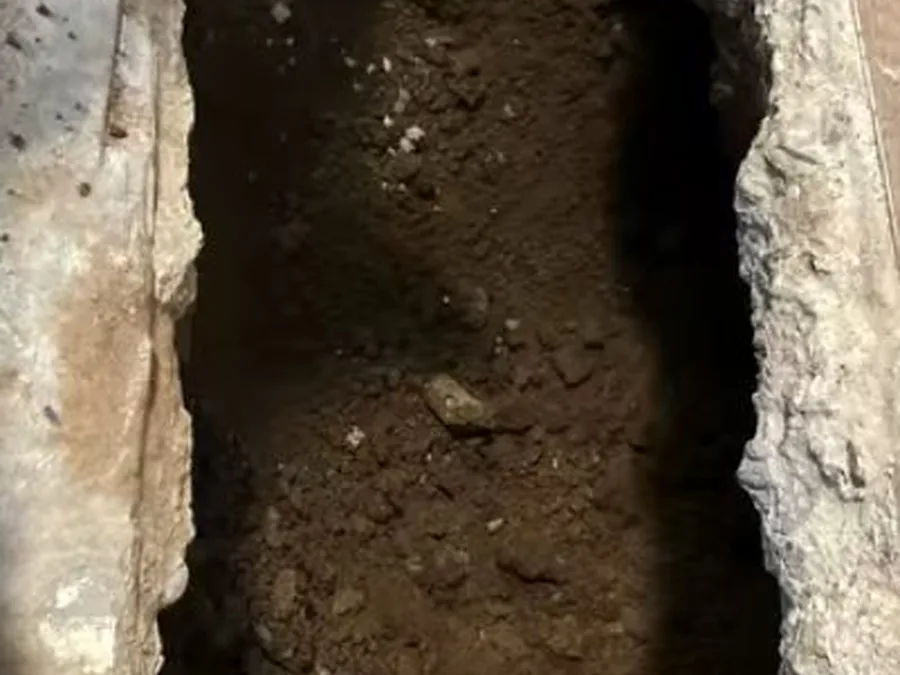
How detection works without tearing up your floors
The old approach to slab leaks was to guess at the location and start breaking concrete. Modern detection avoids that. We use two main tools. Acoustic listening equipment amplifies the sound of water escaping under pressure, letting us trace the leak to a specific area of the slab by sound. Thermal imaging detects the temperature difference a hot water leak creates in the slab, showing the warm path of the escaping water. Together, these methods locate the leak precisely before any concrete is opened, so the repair is targeted to one small access point rather than a destructive search.
Once the leak is located, you have repair options. A single failure in otherwise sound pipe can be repaired by opening a small section of slab at the leak. If the copper is old and likely to fail again elsewhere, rerouting the affected line through the walls and ceiling above the slab, or a whole-home repipe, may make more sense than repeatedly opening the slab as new leaks appear. For a home that has had more than one slab leak, the repipe option often wins on both cost and long-term reliability, since the soil movement that caused the first leak is still at work on the rest of the embedded copper.
Get a foothill slab leak located
If your North Glendora, Glendora Heights, or foothill home is showing slab leak signs, the priority is to locate the leak accurately before any concrete is touched. We provide slab leak detection using acoustic and thermal imaging, with clear repair and repipe options once the leak is found. Learn more on our slab leak detection page or our North Glendora plumbing page.