If you have lived in Glendora for any length of time, you have seen the evidence of hard water even if you did not know that is what it was: the white crust on the showerhead, the spots on glasses out of the dishwasher, the film on the shower glass that returns no matter how often you clean it. Glendora's water is moderately hard, and understanding what that means helps explain a whole category of plumbing wear that affects every home in the city.
This post explains what hard water actually is, the specific numbers for Glendora's supply, what the hardness does to your plumbing over time, and the practical options if you want to do something about it.
What hard water actually is
Hardness is a measure of the dissolved mineral content in water, mainly calcium and magnesium. These minerals are picked up as water moves through the ground, dissolving small amounts of the rock and soil it passes through. Water with low mineral content is called soft, and water with high mineral content is called hard. The minerals are not harmful to drink, which is why hard water is a nuisance and a plumbing-wear issue rather than a health concern, but they do not stay dissolved forever. When hard water is heated or evaporates, the minerals come out of solution and deposit as scale, the chalky white buildup you see on fixtures.
Water hardness is measured in either parts per million (ppm) or grains per gallon (gpg), where roughly 17 ppm equals 1 gpg. The general scale runs from soft (under 60 ppm) through moderately hard (60 to 120 ppm), hard (120 to 180 ppm), and very hard (over 180 ppm).
Glendora's numbers: 150 to 220 ppm
Glendora's water, supplied by the City of Glendora Water Department to most of the city and by Suburban Water Systems to some western pockets, runs in the range of 150 to 220 ppm, which is about 9 to 13 grains per gallon. That places Glendora's water in the hard to very hard range. The reason comes down to the source: like much of the San Gabriel Valley, Glendora's supply draws heavily on local groundwater that has moved through the mineral-rich alluvial soils shed by the San Gabriel Mountains, picking up calcium and magnesium along the way.
This level of hardness is not unusual for the region, and it is not dangerous, but it is high enough to produce noticeable effects on plumbing and fixtures over the years. Knowing your specific number can help, and it appears on the annual water quality report your water provider publishes.
What hard water does to your plumbing over time
Scale buildup inside pipes
As hard water flows through your pipes, especially hot water lines, it leaves behind a thin layer of mineral scale that builds up over years. In older metal pipes, this scale combines with corrosion to narrow the interior and reduce flow. While scale alone is rarely the sole cause of a pipe failure, it contributes to the overall aging of the system.
Water heater sediment and efficiency loss
This is where hard water does its most expensive damage. When water is heated in a tank water heater, the minerals precipitate out and settle to the bottom of the tank as sediment. Over time this sediment layer insulates the water from the burner, forcing the heater to work harder and longer, which raises energy use and shortens the heater's life. We cover this in detail in our post on why Glendora water heaters fail early.
Clogged fixtures and appliances
Faucet aerators, showerheads, and the small passages in dishwashers, washing machines, ice makers, and coffee makers all accumulate scale, reducing flow and eventually clogging. Tankless water heaters are especially sensitive, since their narrow heat-exchanger passages scale up quickly in hard water and need regular descaling.
Spotting, film, and more soap needed
On the cosmetic side, hard water leaves spots on glassware and fixtures, a film on shower doors, and reacts with soap to form the sticky residue called soap scum. It also makes soap and detergent less effective, so you use more.
What you can do about Glendora's hard water
You have a range of options, from simple maintenance to whole-home treatment:
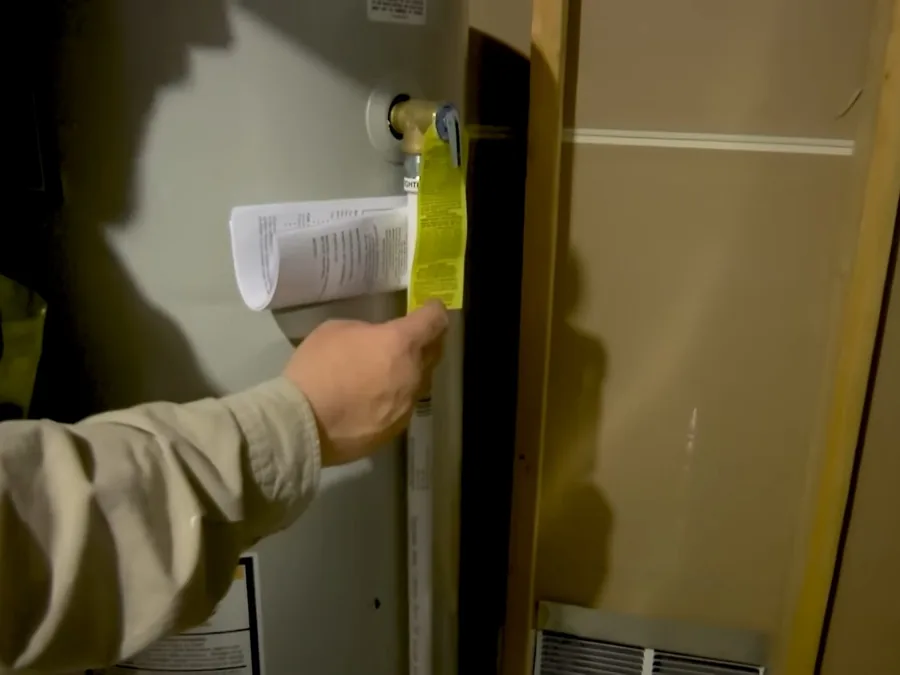
Regular maintenance: Flushing your tank water heater annually to clear sediment, descaling a tankless unit on schedule, and periodically cleaning aerators and showerheads all reduce the impact of hard water without any equipment investment. This is the baseline we recommend for every Glendora home.
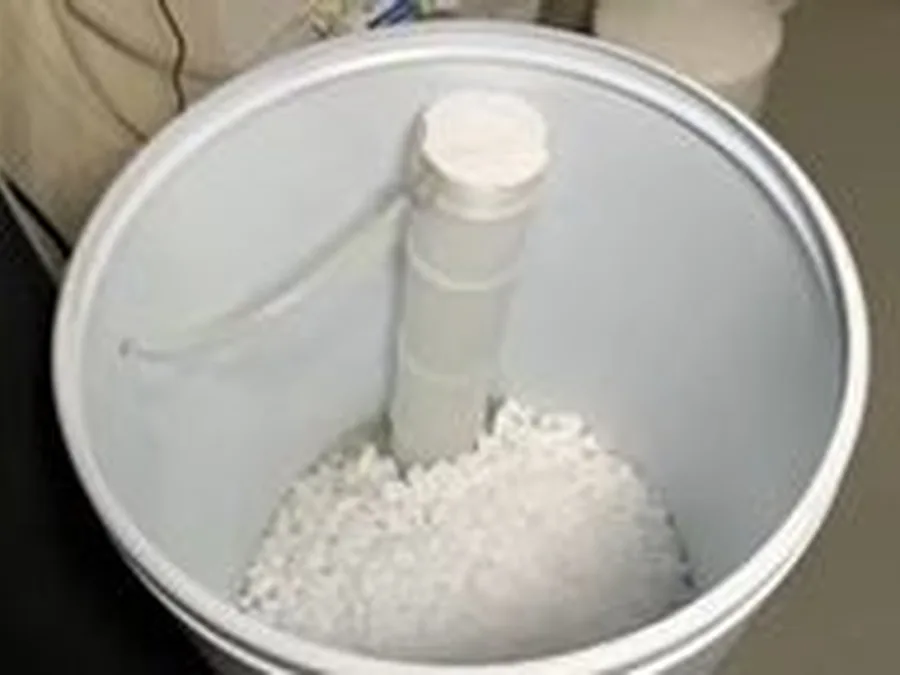
A water softener: A whole-home water softener removes the calcium and magnesium through an ion-exchange process, delivering soft water throughout the house. This stops new scale from forming, protects the water heater and fixtures, and eliminates the spotting and film. Whether the investment is worth it depends on your household, which we break down in our post on whether a water softener is worth it in Glendora.
Water filtration: If your concern is drinking water taste and quality rather than scale, a filtration system addresses that, though filtration and softening solve different problems and are sometimes used together.
Talk to a Glendora plumber about your water
Hard water is a manageable issue once you understand it. Whether you want a simple maintenance plan, are weighing a water softener, or want to know your home's specific hardness and what it is doing to your plumbing, we can help. Learn more on our water softener page or call to discuss your home's water.