Glendora's foothill setting brings a distinctive yearly weather cycle: hot dry summers, a real pool season, occasional cool winter nights, spring runoff from the San Gabriel Mountains, and the dry Santa Ana wind events that sweep down the foothills in fall. None of this is as harsh on plumbing as a freezing Midwest winter, but each season does bring plumbing tasks worth attending to, especially for foothill homes with pools, irrigation, and the older pipe systems common across the city. Here is a season-by-season checklist to keep your Glendora home's plumbing in good shape year-round.
Fall: Santa Ana wind season and pre-winter prep
Fall in the foothills means the Santa Ana winds, hot dry gusts that come down off the mountains. While wind itself does not directly damage plumbing, Santa Ana season is a good prompt for a few tasks:
Clear gutters and check drainage
The winds blow down leaves and debris that clog gutters and yard drains. Clearing them before the winter rains prevents water from pooling against the foundation, which over time contributes to the soil movement that stresses slab plumbing in foothill homes.
Inspect the water heater before the cool season
You use more hot water as the weather cools. Fall is a good time for the annual water heater flush to clear hard water sediment, since a sediment-laden heater struggles most when demand rises. We cover this in our post on why Glendora water heaters fail early.
Check outdoor faucets and exposed pipes
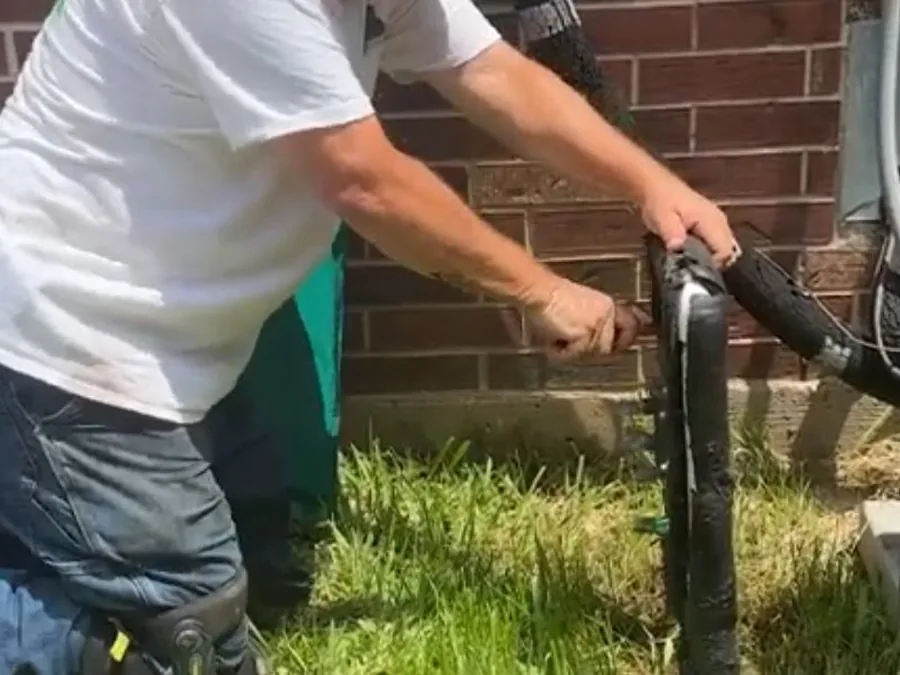
Inspect hose bibs and any exposed piping for drips or wear before winter. Catching a worn hose bib now avoids a leak during the rainy months.
Winter: cool nights and rain
Glendora winters are mild, but the foothills can see cold snaps where overnight temperatures approach freezing, and the season brings the year's rain.
Protect exposed pipes on cold nights
On the occasional night when temperatures drop near freezing, exposed pipes, outdoor faucets, and pipes in unconditioned spaces are vulnerable. Disconnect garden hoses (a connected hose can trap water that freezes and damages the bib), and insulate exposed outdoor piping. A hard freeze is rare in Glendora, but the homes most at risk are those with exposed plumbing in unheated spaces.
Watch for slab leak signs after rain
Winter rain saturates the alluvial foothill soil, and that wet-dry cycling is part of what drives slab leaks in foothill homes. If you notice a warm floor spot, the sound of running water with everything off, or an unexplained bill increase during or after the rainy season, have it checked. Our post on slab leaks and soil movement explains the connection.
Keep drains clear through the holidays
Winter holidays bring heavy kitchen use. Avoid putting grease, fibrous foods, and large food scraps down the drain, and run plenty of water with the disposal. Holiday cooking is a peak time for kitchen drain backups.
Spring: runoff and system checks
Spring brings snowmelt and runoff from the San Gabriel Mountains and is a natural time for a plumbing once-over after winter.
Test your water pressure
Spring is a good time to check your static water pressure, especially for hillside homes where pressure runs high. If it is above 80 psi, a pressure-reducing valve protects your system, as covered in our post on pressure-reducing valves for hillside homes.
Schedule backflow testing
If your home has an irrigation system or pool with a backflow assembly, spring is when many homeowners get the required annual backflow test done ahead of heavy irrigation season. See our post on California backflow testing rules.
Inspect irrigation for winter damage
Check irrigation lines, valves, and the backflow assembly for any cracks or leaks from winter before ramping up watering for the dry months ahead.
Summer: pool season and high demand
Summer is pool season in Glendora's foothill neighborhoods, where pool prevalence runs high, and it is when outdoor water systems work hardest.
Check the pool for leaks
Summer heat drives evaporation, which can mask a pool leak. If your pool is losing more than about a quarter inch to half inch per day, more than evaporation accounts for, it may have a leak in the shell, return lines, or equipment pad plumbing. Our pool leak detection service pinpoints it. Summer is the season pool leaks become noticeable.
Service the pool equipment pad and gas heater
The pool equipment pad plumbing, and the gas line to a pool heater, work hard in summer. A check of the pump, filter, and heater connections, plus the gas line, keeps the system running and catches small leaks before they grow.
Mind high simultaneous demand
Summer brings guests, more laundry, and more simultaneous hot water use. If your water heater struggles to keep up, summer is when you will notice, and a good time to consider service, a flush, or an upgrade discussion. North Glendora and other estate homes with high demand often run tankless systems that benefit from a pre-summer descaling.
Watch for irrigation overuse and leaks
Heavy summer irrigation can reveal leaks in the system and drives up water bills. A quick check of the irrigation lines and a confirmation that the backflow assembly is sound keeps summer watering efficient.
Year-round: the constant in Glendora
A few things matter in every season because they stem from Glendora's water rather than the weather. The 150 to 220 ppm hard water deposits scale year-round, so annual water heater flushing, tankless descaling, and attention to fixture buildup are constant tasks. Aging pipe systems in older neighborhoods do not follow a calendar either, so staying alert to the signs of copper pinhole leaks, galvanized failure, and sewer root intrusion pays off any time of year.
Keep your Glendora home's plumbing on schedule
Seasonal maintenance prevents the larger, costlier failures, and much of it is quick. Whether you want a water heater flush before the cool season, a pre-summer pool and backflow check, or a pressure test in spring, we provide maintenance and service throughout Glendora's foothill neighborhoods year-round. Reach out through our contact page or call to schedule.